Preventing farm buildings from collapsing is a critical responsibility on any farm. Whether these structures house livestock, machinery, or stored forage, their failure can have serious consequences, including interruption of production, loss of human or animal life, loss of income, and fire.
Common Factors That Contribute to Agricultural Building Collapse
- Excess weight due to snow and ice
- Building age
- High winds
- Poor maintenance and inadequate ventilation
- Excess moisture leading to structural decay
- Oxidation or corrosion of metal connectors
- Self-builds without engineering plans
- Absence of load-bearing components
- Damage from pests or fungus
Design and Construction Issues That Increase Collapse Risk
- Poor design and engineering: Inadequate foundations, incorrect load bearing calculations, or the absence of proper engineering plans can significantly increase the risk of structural failure.
- Faulty construction: Errors such as poor welding, inadequate bracing, or improper assembly weaken the building and create failure points.
- Insufficient bracing: Many failures are caused by a single un-braced component, such as a truss, which can lead to a complete collapse.
Inspect Buildings Annually and Identify Structural Problems
- Conduct annual inspections. Many collapses can be prevented by thoroughly inspecting buildings each year to identify structural weaknesses and conditions that may lead to damage.
- Address issues promptly. Once problems are identified, begin repairs and stabilization work right away.
- Recognize early warning signs in wood structures. Wood buildings often show signs of stress before failure, unlike metal structures, which may not. Indicators of impending failure include:
- Sagging roof
- Severe roof leaks
- Cracked or split wood members
- Bends or ripples in supports
- Cracks in walls or masonry
- Doors or windows that become difficult to open
- Bowed utility pipes or conduit attached to the building
- Creaking, cracking, or popping sounds
Inspect Roof Systems and Structural Components
High humidity and temperature fluctuations in the roof space above the ceiling can weaken structural components. Regularly inspect this area to detect issues early.
- Watch for:
- Mold or rot on wood components
- Water or high humidity in insulation
- Cracked or split wooden components
- Corroded metal connectors
- After the inspection, install improvements when possible:
- Insulate the ceiling
- Install a vapor barrier
- Renovate the building
- Apply anti-corrosion paint
- Improve ventilation
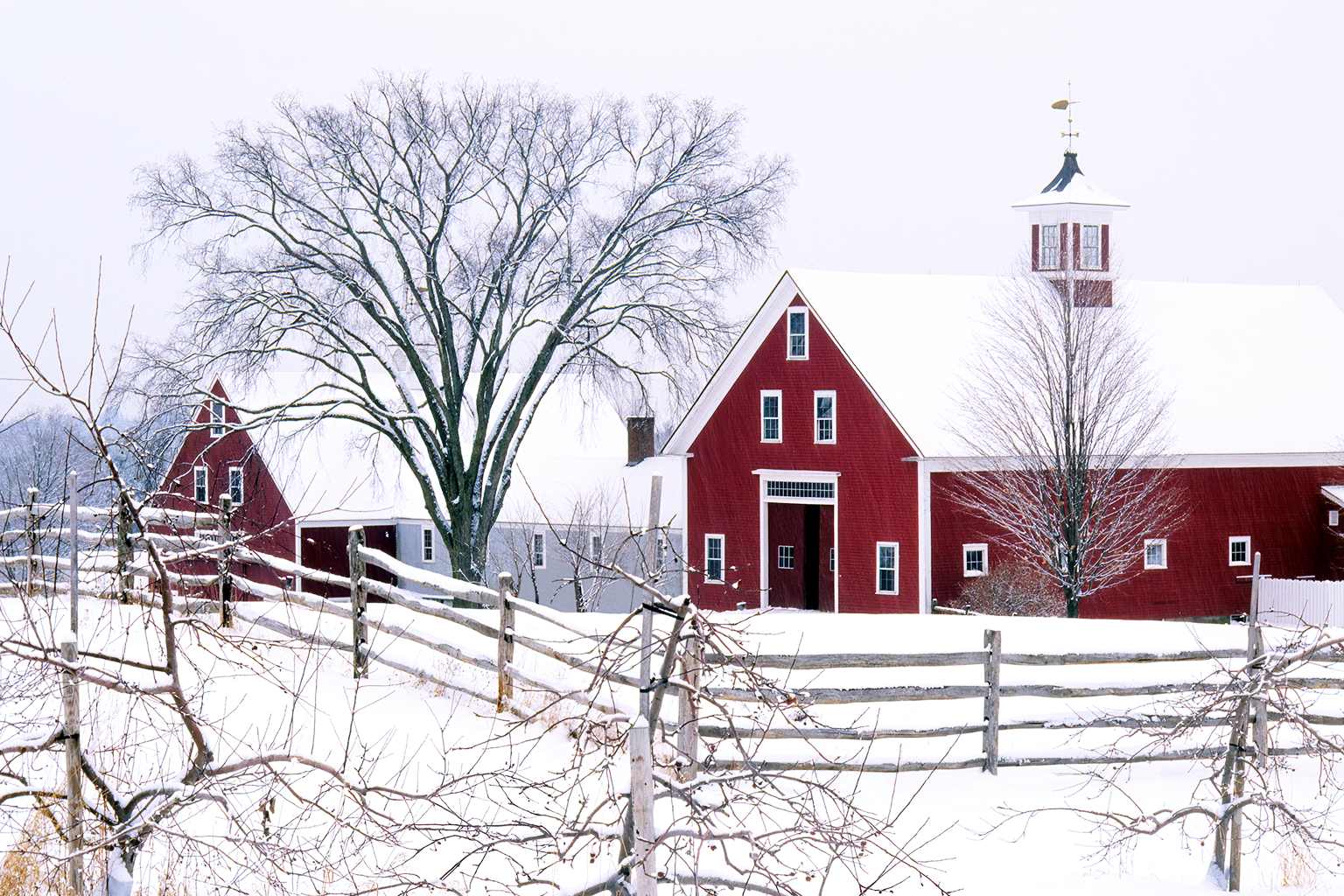
Winter Considerations: Monitor Snow Accumulation
- Watch for warning signs: Inspect the building’s interior and exterior for signs of stress, such as sagging, misaligned, or bowed trusses. Listen for unusual creaking or cracking sounds.
- Understand snow density: The weight of snow varies greatly. Two feet of wet, packed snow can weigh as much as four feet of dry, fluffy snow. Even one inch of ice adds significant load.
- Remove snow from roofs: Clear snow from roofs if more than four feet of dry snow or more than two feet of heavy, wet snow or ice accumulate. A commercial roofing professional should handle the job, but if removing snow yourself, follow all safety precautions.
The information contained in this article has been obtained from sources believed to be reliable. The information is general in nature and may not apply to all circumstances. Farm Family, its affiliates, agents and employees do not guarantee the accuracy or completeness of the information provided and assume no liability, expressed or implied, in connection therewith.